"After forty years in nuclear power, the Navy, and healthcare, I've learned that the most important question after any failure isn't what went wrong. It's why did it make sense to the person at the time."
The Short Version
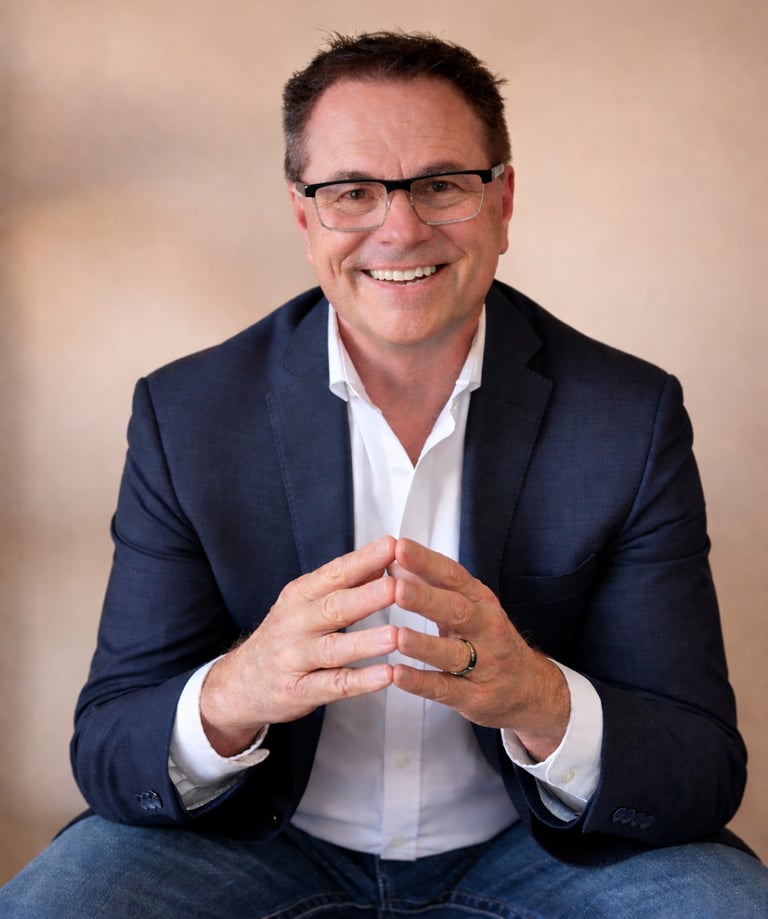
For more than four decades, Don Goble has worked inside environments where failure is not an option and mistakes carry consequences most organizations will never face. Nuclear power plants. Combat theaters. Hospital systems. His career hasn’t followed a straight line — it has followed a pattern. And that pattern is drift.
He helps senior leaders see what they’ve stopped seeing — before something goes wrong.
A Career Built in Unforgiving Environments
Don entered the nuclear power industry in 1981. Over the next 36 years he worked across some of the most complex and tightly regulated operations in the world, where the margin for error is measured in fractions and the consequences of getting it wrong can affect entire communities. He learned early that most failures don’t announce themselves. They build quietly, through small workarounds that become habits, and habits that become culture.
In parallel, Don served in the United States Navy Reserve for 21 years, retiring in 2020. As a deployed intelligence specialist, he supported multiple Navy SEAL and Special Operations teams during his assignment in Afghanistan — an experience that sharpened his understanding of decision-making under genuine pressure, and what high-performing teams actually look like when the stakes are absolute.
While at Florida Power and Light, Don was recruited by British Energy to lead their Human Performance program across eight nuclear plants in the United Kingdom. The work drew international attention, with nuclear organizations across Europe and Asia benchmarking his approach, and he was published during that period.
After nuclear, he moved into healthcare, where he found the same patterns playing out in a different setting. The same drift. The same normalization of small deviations. The same silence before a failure nobody saw coming. During this period he contributed to the book Zero Harm, bringing a nuclear-informed perspective to patient safety.
In 2025, he was called back to nuclear to support the Palisades Nuclear Plant restart — one of the most complex re-commissioning efforts in the history of U.S. commercial nuclear power — as a Human Performance subject matter expert.
He founded HiReli Co. in 2024 to bring what he learned in those environments to organizations that have never had access to that level of pattern recognition.
What Don Actually Does
Most organizations evaluate their health by their outcomes. If the numbers are good, decisions were good. If nobody got hurt, the safety program is working. Don’s work begins with a harder truth: good outcomes don’t equal good decisions. Success can hide drift just as effectively as failure reveals it.
He works with senior leaders who have experienced failures they can’t explain, or organizations that feel fine but have a quiet sense that something is eroding. He helps them find it, name it, and fix it — before it becomes a headline.
• Nuclear Power 1981–2017
• U.S. Navy 1999–2020
• Healthcare 2017–2024
• Palisades Restart 2025-2026
Veteran Owned Business
Minnesota Based
Available Nationally